
Bulk book printing for publishers, curriculum providers, and institutions.
Bulk book printing is the production of books, workbooks, or training materials at institutional volume, 1,000 copies and up, with no published maximum, for publishers, curriculum providers, associations, and institutions. Columbia Publication prints large runs with consistent quality across the full order, offering binding, paper, and finishing options suited to training manuals, workbooks, and course materials.
Ordering fewer than 1,000 copies? We still print it. Smaller runs start at 100 copies through our standard book printing service, or tell us what you need here: send the specification, call +1 (703) 997-9787, or use the chat and a specialist will pick it up.
- Purchase orders acceptedMilestone invoicing against your PO number.
- No separate setup feeSetup and pre-press are inside the quoted price.
- Your specification is kept on fileA reprint is produced against it, not re-specified.
- Nothing prints until you approveDigital proof free on every order; physical proof on request, billed separately.
- Split deliveryShipped to multiple sites on one order.
- Reply within one business dayFrom a specialist, with the specification written out.
Large-volume book & workbook printing.
Institutional print orders live and die on consistency. A training manual that ships to fifty regional offices, or a workbook set that reaches every student in a multi-campus program, has to read identically at unit one and unit fifty thousand. That is the standard we hold across every bulk order.
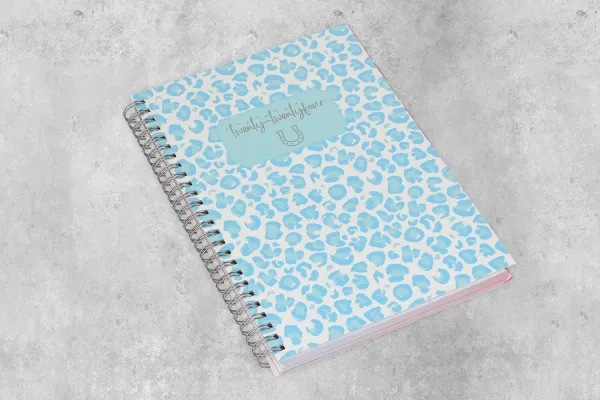
Binding options include perfect bound, saddle stitch, spiral, and hardcover, selected based on how the material is actually used, a reference manual that stays on a shelf between training sessions is bound differently than a workbook meant to lie flat during a session. Paper stock ranges from standard interior stock to heavier options for covers and high-use materials, and cover finishes run from matte to gloss depending on the institution's branding requirements. Page counts range from short single-topic booklets to full multi-hundred-page training manuals, and full color or black and white printing are both available.
Turnaround for large orders is confirmed at the scoping stage, once format, quantity, and finishing requirements are set. We do not publish a single blanket turnaround window because a large saddle-stitched booklet run and a large hardcover manual run do not run on the same production timeline, but every order gets a confirmed schedule before production begins.
A specification outside this list is not a limit. Tell us what you need and we will confirm what is possible.
What changes when the run gets large.
Press consistency across a long run
A short run finishes before ink density or registration has a chance to drift. A run of tens of thousands does not. Long runs need in-run checks against the approved proof, not just a check at the start.
Paper lot variation
Paper arrives in lots. A lot change partway through a large order can shift shade or weight slightly. Large runs need the lot tracked and matched so the first copies off the run and the last do not look printed at different times.
Binding tolerance at scale
Binding equipment holds a tolerance range. On a short run that range is invisible. On a run of tens of thousands, a small drift compounds. Institutional runs need binding checked at intervals through the run, not only at the start.
Why proof approval happens before the press commits
A physical proof is approved before the press is committed to the full run because correcting a specification after the run has started means reprinting units already produced. The proof is the last point where a change costs nothing.
Split delivery logistics
Delivery to one warehouse is one shipment. Delivery split across multiple campuses or regional offices means the same order has to be counted, packed, and routed differently per destination, agreed before production, not worked out afterward.
Reprint matching against an earlier run
A reprint has to match the original run's paper, binding, and color, not just the file. Without records from the first run, a reprint drifts from the original even when the file is identical.
Any Volume. Any Format. One Standard.
A thousand copies of a single title or a multi-title curriculum program shipping to dozens of campuses, every institutional order gets the same press consistency, paper lot tracking, binding checks and single point of contact through delivery.
Need fewer than 1,000 copies, or a one-off author run? Book Printing Services covers 100 to 1,000 copies to the same standard. Not sure which side you're on? Call +1 (703) 997-9787 and a specialist will help you figure it out, or use the form below and tell us what you know so far.
From press run to finished book
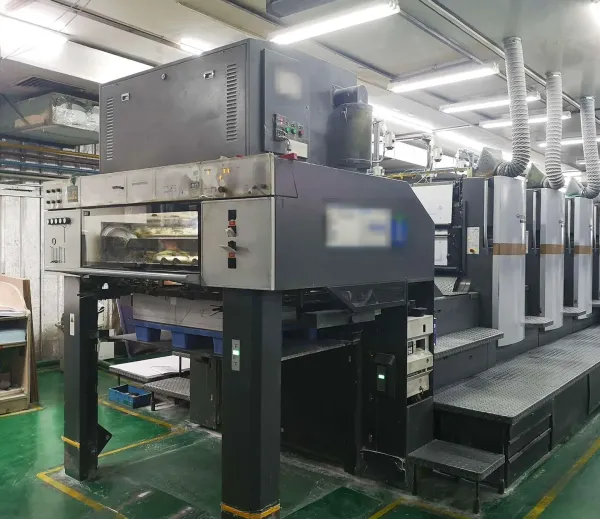
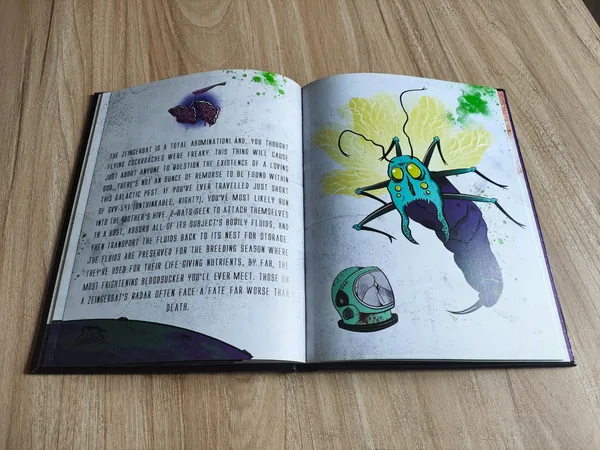
Large runs go on offset presses, then through binding and finishing: case binding, foil stamping, ribbon markers, matte and soft-touch lamination, full-bleed and lay-flat interiors. The same controlled process runs on paperback, workbook and training-manual work.
Bound to hold up to real use
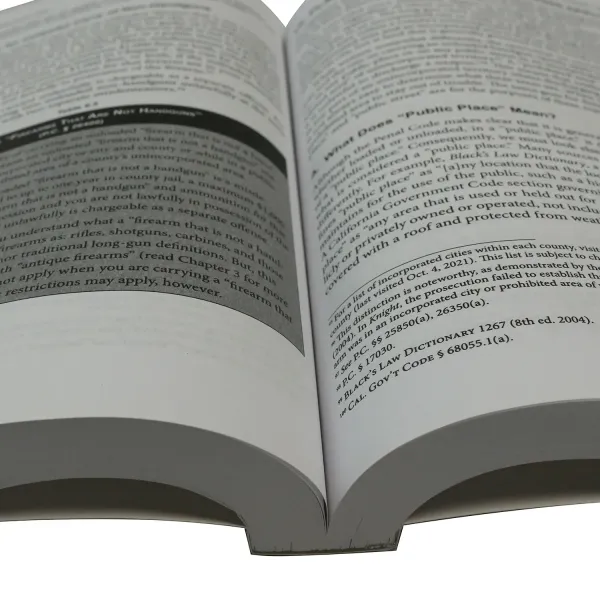
PUR binding bonds pages more strongly than standard hot-melt glue and lets a paperback open flatter, which is why it suits workbooks, training manuals and course materials that get handled every day.
Each cover is gathered, bound and trimmed against the approved specification, and that specification is kept on file so the next run is bound the same way.
Who we print for.
Curriculum publishers
Producing workbooks and course materials at volume for schools, districts, or independent programs.
Training organizations
Need consistent manuals across every session or cohort.
Associations
Distributing member education materials or certification workbooks.
Ministries and denominational publishers
Producing curriculum for congregations and multi-site programs.
Corporate training departments
Printing onboarding materials, compliance manuals, or internal course content for distribution across offices or regions.
How large orders work.
Every bulk order starts with scoping the print specification, trim size, binding, paper stock, page count, and color requirements confirmed against your intended use and budget. A digital proof is provided free on every order and approved before full production begins. A physical proof, showing the actual paper, colour and binding, is available on request and billed separately. Production is then scheduled against your delivery deadline, with Columbia Publication confirming a realistic timeline before the order is placed.
Delivery can route to a single location, a warehouse or distribution center, or split across multiple sites for multi-campus or multi-office distribution. Institutions with several concurrent titles, for example a lesson book, a leader guide, and a student guide printed as one coordinated order, get a single point of contact managing the full order rather than separate vendor relationships for each piece.
How the purchase works
Sending a specification starts a conversation, not an order. Nothing is committed until you say so.
- You send the specification. Quantity, format, binding, interior colour, page count, trim, timeline and delivery points. If something is undecided, say so and we price the options.
- A specialist confirms production fit and quotes within one business day, with the specification written out in full so it can be compared line by line against any other supplier.
- Purchase orders and milestone invoicing are accepted. Invoices cite your PO number, and payment is tied to milestones rather than dates.
- You approve a proof before anything is printed. A digital proof confirms layout; a physical proof, on request, confirms paper, colour and binding.
- The approved specification is kept on file, so a reprint is produced against it rather than re-specified from scratch.
What to ask a printer before awarding a large project.
Ask any printer bidding on a large order these questions before you award it.
- Is a physical proof approved before the full run starts, or only a digital file? A digital proof confirms layout. It does not confirm paper, color, or binding.
- If paper has to be re-ordered mid-run, is the lot matched, or does the color simply shift? Lot tracking is what keeps the first copies and the last copies of the same order looking the same.
- Is binding checked at intervals through the run, or only at the start? Binding tolerance compounds over a long run. A start-only check will not catch drift.
- If a reprint is needed next year, how is it matched to this run? Without records from the original run, a reprint drifts from it even with an identical file.
- If delivery has to split across multiple sites, is that scoped before production or worked out afterward? Split delivery agreed late costs more and takes longer than split delivery scoped at the start.
- If the order has multiple titles that need to match each other, is that one coordinated project or several separate print jobs? A lesson book, leader guide, and student guide printed as separate jobs rarely match on paper, binding, or finish.
- Who is the single point of contact if something needs to change mid-project? A large order without one point of contact means every change is a new conversation with a new person.
If a printer cannot answer these directly, that is worth knowing before an order is placed, not after.
How Columbia Publication answers those questions.
The questions above are worth putting to any printer. These are Columbia Publication's answers.
For any size of order, see what to check before ordering a custom printed book.
Is setup billed separately? No. Setup and pre-press work can appear as a separate line on a print quote, which makes two quotes hard to compare. Columbia Publication does not charge a separate setup fee on print runs: setup and pre-press are included in the quoted price, so the figure you are quoted is the figure you pay for production. When comparing printers, compare the total delivered cost rather than the per-copy rate alone.
Is the proof approved before the full run? Yes. The proof is approved before any full run begins, which is the last point at which paper, color and binding can change without reprinting. Ask any printer which kind of proof it provides and what that proof confirms.
Will a reprint match the first run? The approved specification, including trim size, paper stock, binding and finish, is kept on file, and reprints are produced against it rather than re-specified from scratch. Ask for that commitment in writing before a first order, not after it.
Is there a maximum run size? There is no published maximum. Large or complex projects are scoped and quoted individually against the specification.
What does a quote need? Quantity, format, interior color, page count, timeline, delivery location and trim size. These are the details a print quote is priced from.
Optional: warehousing & fulfillment.
Some institutions need printing only. Others need help with inventory storage, order processing, Amazon FBA setup, or a Shopify or custom storefront to sell or distribute finished materials. This is available on a custom basis once your print order is scoped, quoted per project. It is not a standard tier attached to every order, and it is never required to place a print order with us.
Frequently asked questions.
What is considered a large print run?
Bulk book printing starts at 1,000 copies, with no published maximum. Smaller runs are printed too, from 100 copies: send the specification with the form on this page or call, and a specialist will quote it.
Can you match specifications across a multi-title order, for example a lesson book, leader guide, and student guide?
Yes. Multi-title orders are scoped and produced together so trim size, paper, binding, and finish match across every title in the set, rather than each title being printed as a separate job.
Do you offer fulfillment services?
Quoted per project. Warehousing, order processing, and marketplace or storefront setup are quoted individually once your print order is confirmed. Printing is the core service, fulfillment is an optional extension.
Do you print anything other than books, workbooks, or course materials?
No. This service covers books and book-length materials only, including workbooks and course materials. For anything else, ask us and we will tell you plainly whether it is something we can take on.
Request a Print Quote
Tell us your format, page count, quantity, and delivery timeline. A specialist confirms production capacity and pricing within one business day.
Or call (703) 997-9787